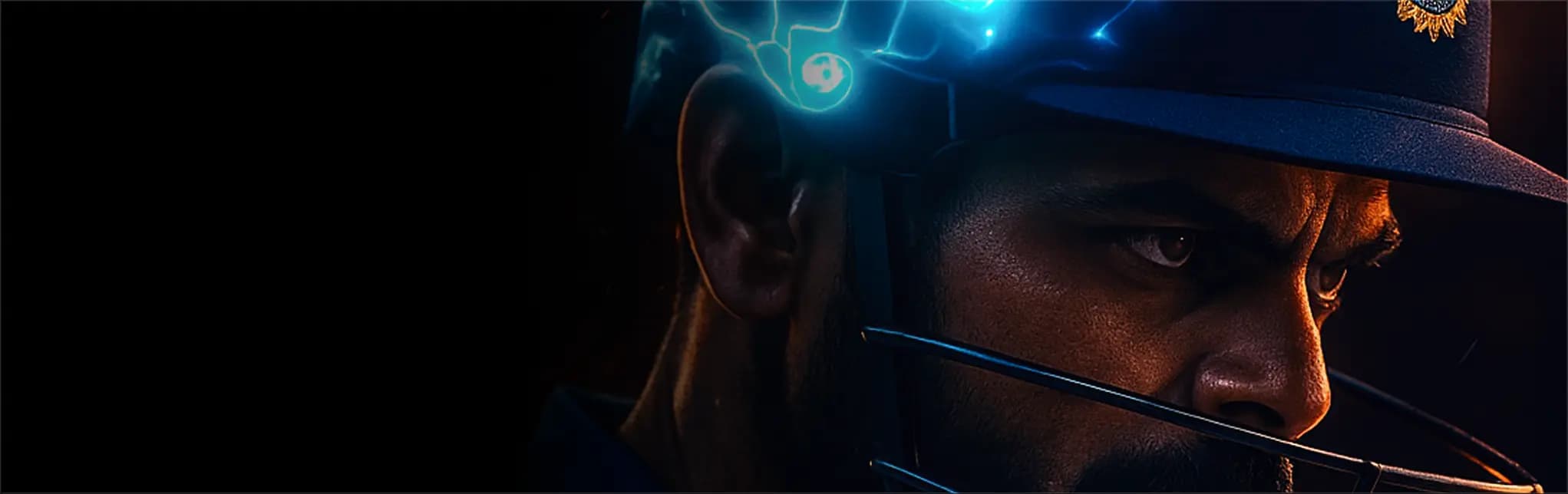


Sports photography captures moments that cannot be described in words. A perfect image freezes time. It shows the athlete in action, the crowd reacting, the emotion on the face after victory or defeat. These photographs tell the stories of generations past. Muhammad Ali standing over Sonny Liston is more famous than most of the newspaper articles written that night. Gabriel Medina emerging from the waves at the 2024 Olympics became an image that the world shared millions of times. Sports photography requires skill and timing and the right equipment and knowledge of editing. This guide covers the types and editing styles of sports photography and the most famous examples captured in India to date.
1. Types of Sports Photography
Action and Peak Moment Photography
Action photography in sports freezes the decisive moments. The player kicks the ball and the photographer captures the exact moment of touch. The player jumps and the camera freezes time at the top of the jump. This is the most common style for events like cricket, football and athletics where decisive moments happen in a split second.
The photographer must anticipate the moment before it happens. You can’t react quickly enough to capture the perfect frame. You must know the game. You must understand where the action will happen. You must pre-focus and wait. When the moment comes, you press the shutter. The difference between a great action photo and a missed opportunity is often a split second.
Editorial and Documentary Photography
Editorial and documentary photography tells stories rather than capturing single moments. These are behind-the-scenes shots that show locker room and celebration reactions and the human side of the game. Media outlets use them to give audiences context beyond the score of the match.
A player crying after a loss tells a story. A team celebrating a championship in the dressing room tells a story. A coach giving a team talk before an important match tells a story. These photographs require a different approach than action photography. The photographer must blend into the environment and capture the real moments without disturbing them.
Portrait and Promotional Shoots
Portraits and promotional shoots are controlled photographs that focus on the personality and branding of the athletes. Pre-match portraits and team shoots fall into this category. These are properly planned and shot with specific backgrounds and compositions that are designed to best showcase the athlete or team.
Brands use these photographs for advertising campaigns and social media and merchandise. Teams use them for official communications and match programs and websites. Even in a controlled environment, the athlete’s personality should come through in the image. This requires building rapport quickly and making the subject comfortable in front of the camera.
Read More: Football Shirt Sponsorships: How Brands Turn Logos Into Big Wins
Wide and Environmental Sports Photography
Extensive and environmental sports photography includes reference to the venue, crowd and environment. These photos are widely used in large stadium events where the scale of the event is part of the story. Watching a cricket match in a stadium filled with seventy thousand people tells a different story.
These photographs give the viewer a perspective. They understand where the game is being played and how many people are watching and what the atmosphere looks like. Environmental photography makes the viewer feel like they are present at the event.
Drone and Aerial Action Photography
Drone and aerial photography capture the vast structures and patterns at marathons, football stadiums and large events. This genre is increasingly being used in big city marathons and tournaments in India where participation rates are significant. Thousands of runners spread out on city streets look extraordinary from above.
Aerial photography requires specialized equipment, permits and technical expertise. The drone operator must understand the structure from above, which is different from ground-level photography. The results are stunning images that show the game in a way that ground-based cameras simply cannot.
2. Editing Styles
HDR and Tone Mapping
HDR and tone mapping balance dynamic range in challenging lighting conditions. Evening stadium lights and cloudy skies pose challenges for photographers. HDR techniques address these issues and produce detailed images in both bright and dark areas.
High Contrast and High Clarity Editing
Energetic sports demand energy in the final image. High contrast and high clarity editing sharpens details and heightens drama. Football tackles appear sharper. Cricket strokes appear clearer.
Editing doesn’t create intensity. It highlights what was already there. It gives the photograph presence and authority.
Color Grading for Mood
Color grading uses warm tones to celebrate victory and cool tones to represent intense competition. These choices are common in editorial spreads where mood is more important than content. The colors an editor chooses shape how the viewer feels about the image even before they consciously process what they are seeing.
Selective Focus and Motion Blur
Selective focus keeps the main subject sharp while the background motion is blurred. The athlete remains clear and everything else is in motion. This emphasizes speed and direction.
It creates immediate visual separation and draws the viewer’s attention to the action.
Black and White for Storytelling
Black and white photography has a certain gravitas. Strip away the color and all that remains is form, light, and emotion.
Many historic sporting images are monochrome because they feel timeless. Tears seem heavier in black and white. Celebrations seem more pure. It’s storytelling in its simplest visual form.
3. Costs of Sports Photography
The cost of sports photography in India varies according to experience and event scale. Local amateur sports in schools and colleges usually cost between five thousand and fifteen thousand rupees per event. These assignments build experience and portfolio.
Professional cricket and football coverage can cost between twenty-five thousand and eighty thousand rupees per day. Expectations are high and delivery timelines are tight.
Marathon and multi-disciplinary events usually cost between eight thousand and thirty thousand rupees depending on the coverage and output. Adventure and drone photography can cost between fifteen thousand and fifty thousand rupees per day due to specialized equipment and planning.
Beginners can charge between one thousand and four thousand rupees per hour. Experienced professionals can charge between five thousand and fifteen thousand rupees per hour. The cost per image for beginners with a premium license is usually between five hundred and one thousand rupees.
Most of these figures include shooting and basic editing. Advanced retouching and exclusive rights often add to the final investment.
Further Reading: ASO (App Store Optimization) Guide: Proven Checklist to Promote Sports Apps Fast
4. Best Examples
Muhammad Ali versus Sonny Liston 1965
The photograph of Muhammad Ali standing over Sonny Liston after a knockout punch in 1965 is one of the most iconic sports images of all time. Ali stands tall over Liston as he lies on the canvas. Ali’s expression conveys anger, power, and dominance. This moment captures everything that sports represent at its rawest and most powerful.
Neil Leifer took the photograph. He positioned himself perfectly and waited. When the moment came, he captured it. This image has been reproduced millions of times over the sixty years. It is more than a sports photograph. It is a cultural document of its era.