

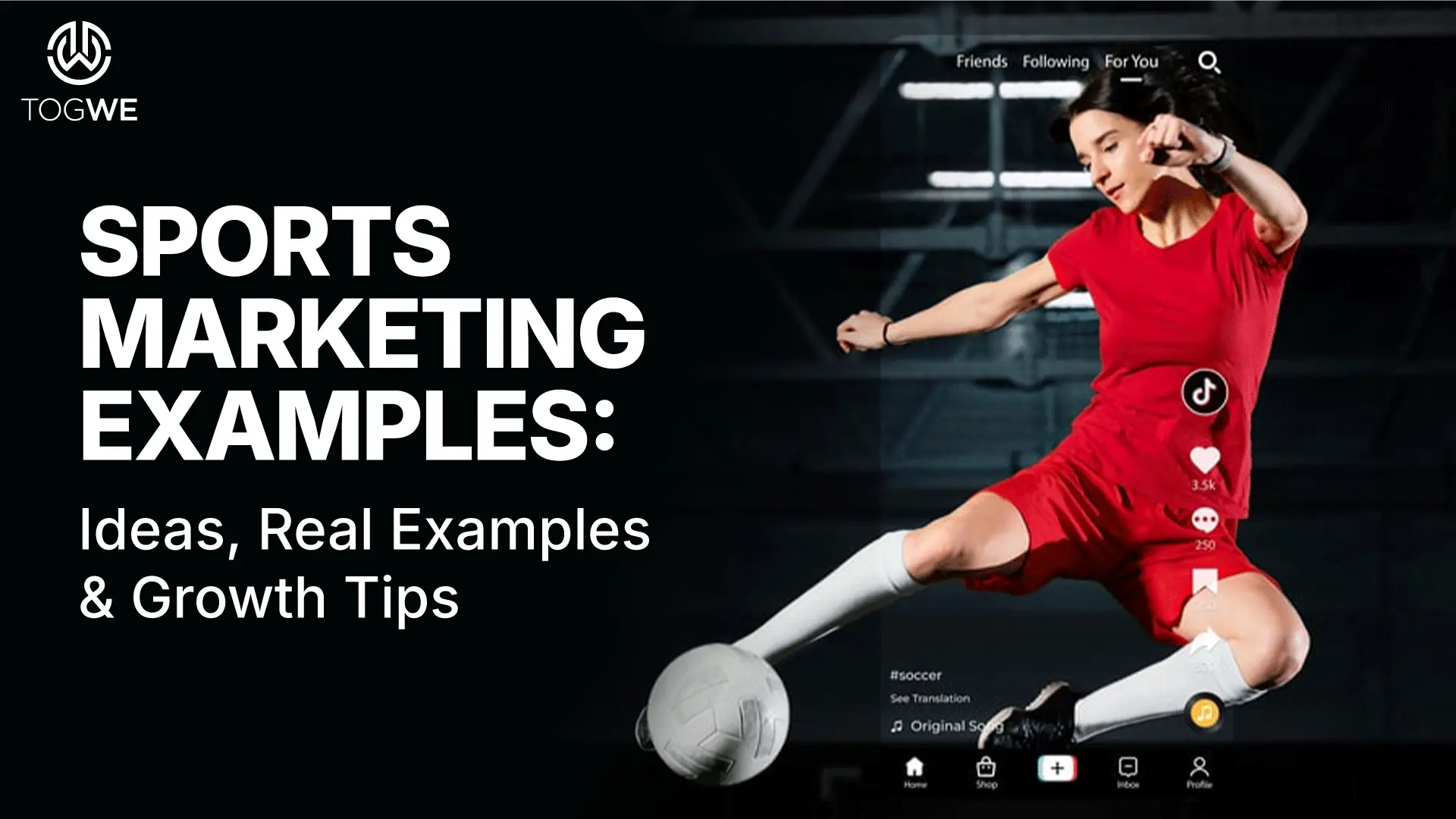
Sports content creates emotional connections between fans and brands. It does this by telling stories that connect passion, performance, and community. These are things that fans care deeply about.
Effective content turns passive viewers into active supporters. This builds loyalty. This builds engagement. Passive viewers watch content occasionally. Active supporters share content. They buy merchandise. They attend events. They advocate for brands online.
In modern digital media, fans seek real-time, authentic content. They want highlights. They want behind-the-scenes moments. They want personal athlete stories. They want this more than traditional advertising. Traditional advertising is disruptive. Good content attracts. Differentiation is important.
1. Create Authentic Storytelling That Inspires
Nike’s “Just Do It” campaign represents inspirational storytelling. It connects with athletes of all levels. It promotes resilience and motivation more than product specifications. People remember emotions. They forget the shoe model.
The Adidas “Hey Jude” and Puma campaigns show how emotional stories work. Guidance. Legacy. Challenge. These themes deepen fan engagement. They create stories that people want to share. They create moments that people remember.
Stories should be centered on real human experiences. Overcoming seemingly impossible challenges. Personal journeys from unknown to champion. Team cultures that create family bonds. These stories work because they are true. They work because people see themselves in them.
2. Use High-Quality Visuals and Video Content
Top sports brands like Real Madrid and Manchester City FC consistently use high-quality visual storytelling. Match highlights capture the best moments. Player spotlights show personality. Behind-the-scenes video shows fans what they never see. This keeps fans engaged on the platform.
Video formats outperform static posts for reach and shareability. Short Instagram reels or YouTube shorts are viewed repeatedly. Match clips are shared widely. Live streams create urgency and community. Static images can’t compete with the dynamism, sound, and emotion captured in video.
Visuals should match the energy and identity of your brand. Dynamic content for action sports. Ambitious content for premium brands. Emotionally engaging content for community-focused brands. Visual language should be consistent and recognizable.
3. Leverage User-Generated Content
Brands like GoPro encourage users to post their own content using branded hashtags. This turns everyday fans into content creators. Fans film their adventures. Athletes share their training. Weekend warriors post their victories.
UGC builds community trust and organically expands reach. It does this by showcasing the experiences of real people. Not paid artists. Not professional models. Real people doing real things with real products. This authenticity cannot be manufactured.
Fans display content that shows them playing games, attending events, and using products. This dramatically increases relevance. Fans see people like themselves. They think they can do it too. They want to be a part of that community.
4. Experiment With Interactive & Shareable Formats
Hashtags like the Chicago Blackhawks’ #WhatsYourGoal encourage engagement. They create broad sharing across social networks. Fans post their goals. Other fans support them. A community grows.
Contests and polls and live Q&A sessions and challenges invite fans to co-create content. This increases engagement beyond passive consumption. Fans become participants. Participants become advocates.
Interactive elements encourage fans to tag and comment and share. Every interaction reaches a new audience. One share reaches dozens. Dozens of shares reach thousands. The math of engagement favors interactive content.
Recommended To Read: Top 8 Social Media Tips for Sports Brands (A 2026 Guide)
5. Integrate Cross-Platform Storytelling
Red Bull’s content universe spans YouTube and social media, events and digital media. This creates a brand ecosystem of exciting content. Each platform serves a different purpose. Each platform reaches a different audience. Together, they create a complete coverage.
Manchester City and Real Madrid tailor content across Instagram and Twitter and other channels for maximum reach. They don’t post the same content everywhere. They adapt the format, tone and length to the strengths of each platform.
Tailor content formats to the strengths of the platform. Stories for quick engagement. Videos for deep reach. Reels for the potential to go viral. Longer formats for dedicated fans. Each format has its own purpose and place.
6. Capitalize on Trends & Cultural Moments
Wimbledon’s creative TikTok strategy used fun, relevant content. This led to huge engagement with the tournament. It attracted young fans who had never watched tennis before. The content didn’t feel like traditional sports marketing. It felt like entertainment.
Collaborations like the ATP’s TikTok partnership emphasize behind-the-scenes content. This content resonates with modern audiences. They want access. They want authenticity. They want to see what happens between the highlights.
Align content with current events and trends and viral challenges. This immediately increases relevance. It organically increases shares. Timing is just as important as quality. Good content posted at the right time multiplies impact.
7. Show Real Examples With Measurable Impact
The results of Nike’s Micro Athlete Instagram campaign were tangible. Seventy percent engagement. Two million three million impressions. One hundred and fifty-six percent brand mention growth. These numbers prove that authentic sports content is significantly superior to traditional advertising.
New Balance’s “Call Me Champion” campaign paired a product launch with a live sporting moment. It created an immediate buzz. It increased searches. People wanted to know about the product. People wanted to be a part of the moment.
Hollister’s collegiate sports campaign saw sports content flood social channels. It quickly gained massive visibility, as athletes posted and fans shared it. The content went viral without any additional advertising spend.
8. Make Content Personal & Community-Focused
Fan-centric content strengthens emotional bonds. Like questions and players. Fan stories are prominently featured. Competitions that reward loyalty. This signals that the brand truly values its community.
Personalized content deepens loyalty. Unique match highlights for different fan segments. Features that show player personalities behind the scenes. Training footage that shows dedication. Fans want to know the people, not just the performances.
Invite feedback and fan ideas into content creation. This makes the content feel co-owned by the community. The fans suggested it. The brand created it. Everyone shares it with pride. Ownership creates investment.
9. Track Growth & Continuously Improve
Use analytics to track views and engagement rates, shares and click-throughs, and conversions from content campaigns. Numbers tell the truth that emotions can’t. Good content shows good numbers.
A/B test formats consistently. Video vs. photo. Short form vs. long form. Refine based on performance data, not assumptions. What you think will work is less important than what actually works.
Prioritize growth tactics that drive both engagement and business results. Increase website traffic. Increase product sales. Increase event attendance. Engagement is worthless without business results. Business results prove that content works.
Read Next: How To Find Right Influencers For Sports Brands That Drive Real Results